

To measure rainfall at home, put a rain gauge on level, open ground away from trees and buildings, read it at the same time every morning (9am is the Australian standard), write the reading down, and empty it. That's all there is to it, but a few details make the difference between a number you can trust and one that's a guess.
This guide covers setting up and the daily routine. For reading the gauge itself, see our step-by-step guide on how to read a rain gauge.
What You Need To Measure Rainfall
- A rain gauge. A plain plastic gauge with a funnel on top and a clear, marked tube is all most people need. Pick one marked in millimetres, with a wide opening and straight sides.
- A post or stake to mount it on, plus a spirit level.
- Somewhere to write it down: a rain book, a calendar, or a rainfall app.
Digital gauges and weather stations can do the measuring for you, but they bring batteries, signal and cleaning into it. Our guides to manual vs digital rain gauges and whether a weather station with a rain gauge is worth it compare the options.
Where To Put Your Rain Gauge
Where the gauge sits matters more than which gauge you buy.
- Out in the open. Trees, sheds and houses both block rain and cause swirling wind. The international guide for weather stations says to keep a gauge at least twice an obstacle's height away from it. So a 3 m shed should be 6 m or more away.
- Not on a roof or a slope. Both change how the wind carries the rain.
- Low and level. The Bureau of Meteorology mounts its standard gauges with the top just 0.3 m above the ground. A home gauge on a short post at a similar height, checked with a spirit level, will catch rain the way the official gauges do. Too high, and wind blows rain past the funnel.
- Away from splash. Keep it clear of hard surfaces, tanks and downpipes that can splash extra water in.
- Somewhere you'll actually go. A perfect spot you can't be bothered walking to every morning is worse than a good spot by the path.
How To Measure Rainfall Step By Step
- Read at 9am. The Bureau reports each day's rain as the 24 hours to 9am, so reading then lets you compare your figures with theirs. If 9am doesn't suit, pick another time and stick to it.
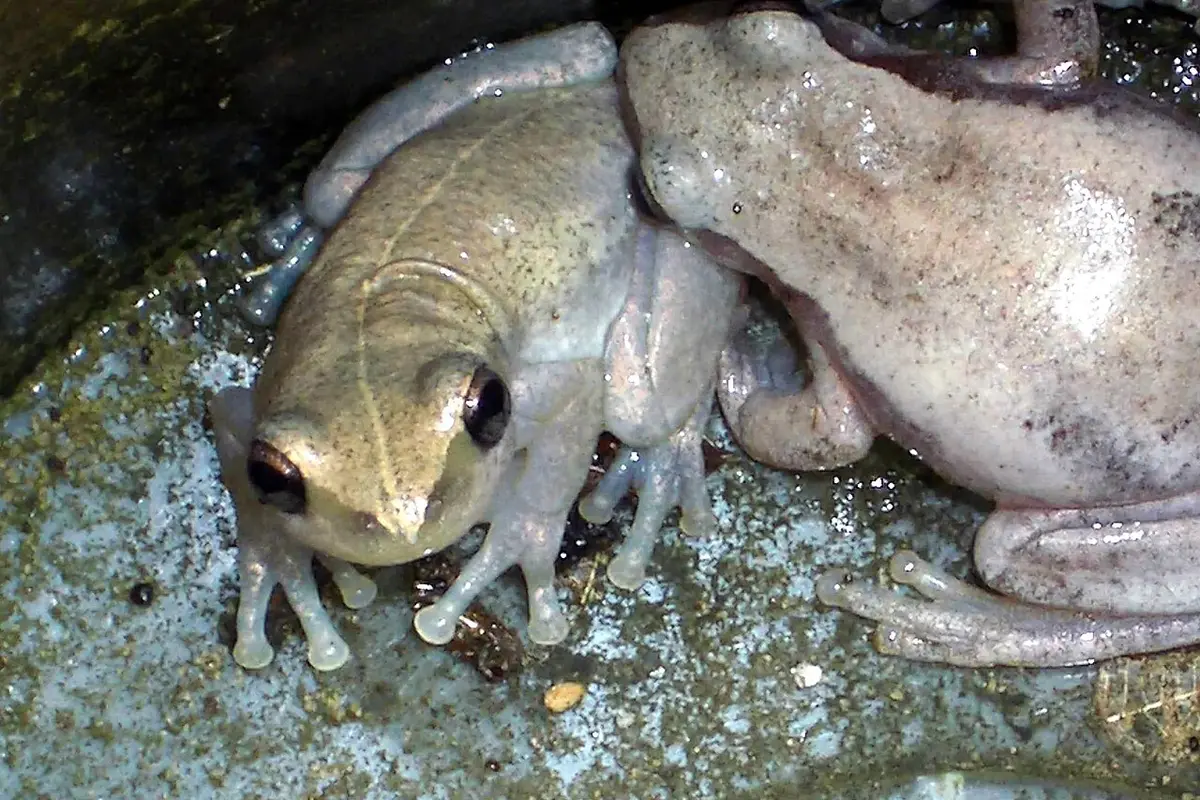
- Check the gauge first. Look for leaves, insects, spider webs and, especially in Queensland, frogs. Anything sitting in the funnel or tube can block rain or push the level up.
- Read the level at eye level, from the bottom of the curved water surface, in millimetres. If there's water but it hasn't reached the first mark, write "trace".
- Write it down straight away, with the date.
- Empty the gauge and put it back level.
After a big storm, a gauge can fill before 9am. The Bureau's observers empty it and add what they emptied to the next 9am reading, and you can do the same. If you miss a day, don't guess. The next reading is simply the total since you last emptied it, so write it down as covering both days.
Keeping Your Rainfall Records Over Time
One reading is a number. Years of readings are a record you can plan with, compare against the Bureau, and show the bank or a drought program. A few habits keep them useful:
- Note the gaps. Mark days you missed or were away, so they don't look like dry days.
- Add a note to odd readings: storm, hail, gauge overflowed, frog in the gauge.
- Use one unit. If old books are in points, convert them first with our rain converter or the guide to points of rain to mm.
- Keep a copy somewhere safe. Paper rain books are easy to lose in a flood or fire.
The free GaugeMate rain gauge app does most of this for you. Enter your 9am reading in a couple of taps, spread rain across the days you were away, add notes, and see monthly and yearly totals straight away. Your records are kept safe even if you lose your phone. If you're comparing apps first, see what to look for in a rainfall app.